ISO VG 32, 46 or 68: how to check a hydraulic oil grade
ISO VG 32, 46 and 68 are viscosity grades, not a reason to replace one hydraulic oil with another. Check the grade named in the equipment requirement, then confirm the oil type and the current product documents.
1. Read the number as a viscosity grade at 40°C
ISO 3448 classifies industrial liquid lubricants by kinematic viscosity at 40°C. The grade name is the nearest whole number to the midpoint, and the standard allows a range of plus or minus 10% around that midpoint. The classification does not rate oil quality, and it does not state the viscosity at your equipment temperature.
| ISO viscosity grade | Mid-point at 40°C | Limits at 40°C |
|---|---|---|
| ISO VG 32 | 32 mm²/s | 28.8–35.2 mm²/s |
| ISO VG 46 | 46 mm²/s | 41.4–50.6 mm²/s |
| ISO VG 68 | 68 mm²/s | 61.2–74.8 mm²/s |
2. Do not choose 32, 46 or 68 by climate alone
A higher grade number means a higher viscosity classification at 40°C. That fact alone does not show which grade a pump or machine should use. If the manual permits more than one grade, compare the product TDS at the relevant starting and operating conditions. This guide does not assign a temperature range to ISO VG 32, 46 or 68.
3. Keep the viscosity grade separate from the oil type
ISO VG 46 does not say whether the oil is L-HM, L-HV or another hydraulic-oil type. Two oils can share a viscosity grade and still differ in low-temperature behaviour, additive type and any equipment approval. Check the oil type against the HM and HV guide, then come back to the exact grade the equipment requires.
4. Write one line for each grade in the inquiry
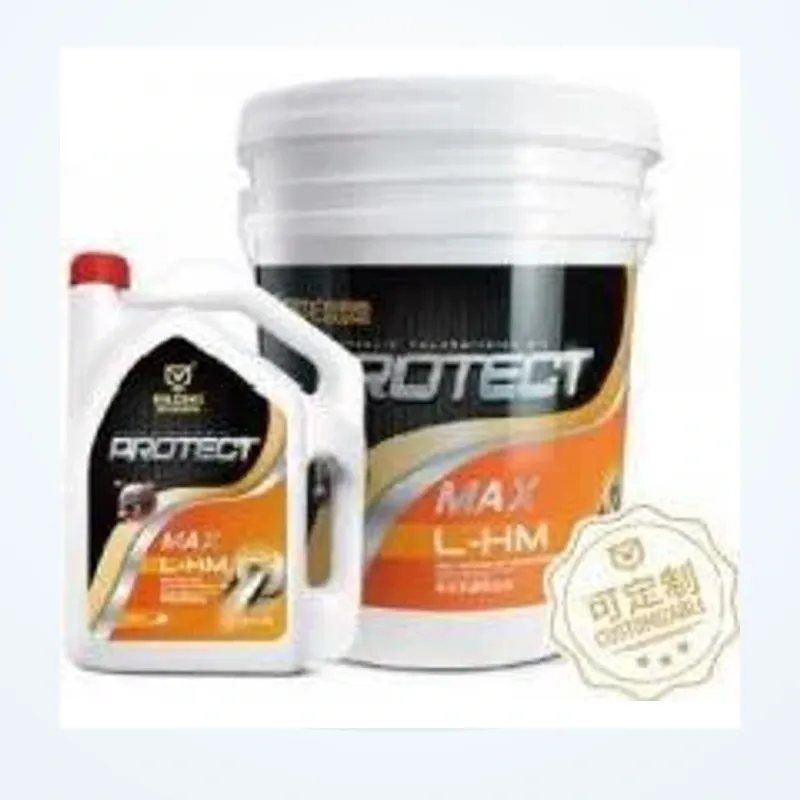
Name the permitted ISO VG grade, the oil type and the equipment model. If you need more than one grade, use a separate line for each grade and pack. The EILONG L-HM and L-HV catalogue listings include ISO VG 32, 46 and 68. The extended-life listing also includes ISO VG 100, and TRIOSD L-HM is listed as ISO VG 46. Confirm the quoted grade, documents and availability. A catalogue line is not an equipment approval.
- Equipment model and the ISO VG grade permitted by the manual
- Oil type, such as L-HM or L-HV, when the manual requires it
- Pack size and quantity for each grade
- Request the current TDS and SDS for that exact grade
5. A hotter site is not a reason to order the next grade
ISO VG 68 is thicker than 46 at 40°C, and 46 is thicker than 32. That order does not tell you which grade a hot climate, a cold start or a particular pump requires. The equipment manual, or the equipment supplier, has to name the permitted grade.
After the grade is known, check the oil type separately. Use the HM and HV guide for that question, then request the TDS for the single grade you intend to buy.
Questions about this topic
Can ISO VG 46 replace ISO VG 32?
Not unless the equipment requirement permits 46. The two grades cover different viscosity ranges at 40°C.
Does the same ISO VG mean two hydraulic oils are interchangeable?
No. Check the oil type and the product documents as well as the viscosity grade.
Catalogue grades in this guide were checked against the product listings on this website and the standards named above. CloudBridge coordinates the inquiry. The manufacturer named on the quotation confirms the current specification.